
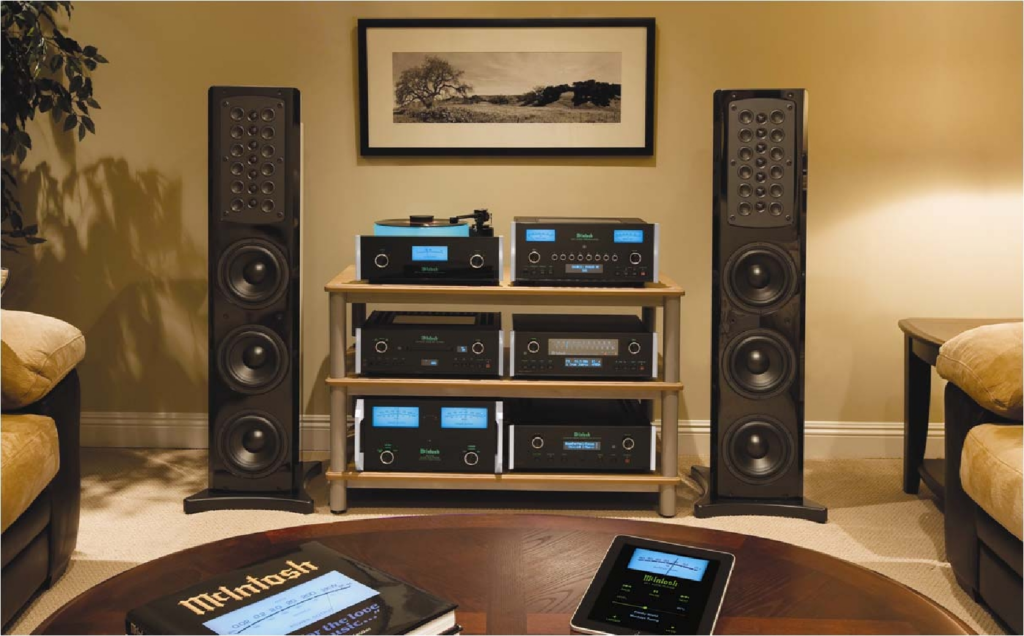
Strong sound effects do not begin during editing. They begin with the equipment used during recording, processing and playback. Even the most creative sound idea can lose impact when poor gear adds noise, removes detail or weakens the tone. As a result, audio equipment plays a major role in the final quality of cinematic sound.
In film, games and digital media, sound effects affect emotion and guide attention. A deep impact can increase tension, while a soft ambient layer can make a scene feel natural and alive. Since every sound carries texture and movement, the tools behind the recording process matter just as much as the performance itself.
High quality audio equipment helps sound designers capture cleaner recordings, hear small details more clearly and build layers that feel realistic. Although software tools continue to improve, hardware still affects how sound is created and experienced.
Microphones and sound
The microphone is often the first step in the sound design chain. Because different microphones react to sound in different ways, they change the texture and tone of a recording before editing even begins.
Large diaphragm microphones capture warmth and depth, which makes them useful for cinematic impacts and environmental recordings. On the other hand, shotgun microphones focus tightly on specific sounds, allowing clean recordings in noisy locations. Small diaphragm microphones pick up sharp detail, which works well for subtle textures such as cloth movement, footsteps or mechanical clicks.
Poor microphones often add hiss, distortion or weak frequency response. Even after heavy editing, those problems can remain noticeable. However, high quality microphones capture more natural detail, giving sound designers stronger material to use during post-production.
This difference becomes important when building a professional sound effects library because clean recordings provide more flexibility during layering, stretching and processing.
Impact of audio interfaces
An audio interface controls how sound moves between recording equipment and the computer. Although it may appear less important than microphones or speakers, it strongly affects sound quality.
Low quality interfaces can introduce unwanted noise, weak dynamic range and inaccurate sound conversion. As a result, recordings may lose detail before the editing process even begins. Strong interfaces, however, preserve depth and clarity while handling loud peaks more smoothly.
This matters during cinematic sound design because many effects depend on fine details. A deep rumble, a distant drone or a heavy transition sound all contain layers that can disappear when the recording chain lacks quality.
Professional interfaces also support higher sample rates and cleaner preamps. Since those features improve recording accuracy, editors gain more control when shaping sounds for film trailers, advertisements and games.
Studio monitors
Good speakers do more than play sound loudly. They reveal problems that cheap playback systems often hide.
Studio monitors are designed for accuracy rather than heavy bass or exaggerated highs. Because of this, sound designers can hear clicks, harsh frequencies and balance issues that would otherwise go unnoticed.
Accurate monitoring becomes especially important during layering. A cinematic hit may contain metal impacts, low booms, air movement and distorted textures all at once. If the speakers color the sound too heavily, important details may become difficult to control.
Headphones also play a major role in modern sound work, especially during editing on the move. Closed-back headphones help isolate detail, while open-back designs create a more natural listening space for mixing. Together, monitors and headphones help maintain consistency across different playback systems.
Without accurate listening equipment, even expensive sound recordings may fail to translate properly during playback.
Recording environments matter
Even strong equipment struggles inside poor recording spaces. Room reflections, outside traffic and unwanted echo can damage recordings before editing begins.
Acoustic treatment helps reduce those problems by controlling reflections and balancing frequencies. Foam panels, bass traps and diffusers all improve recording accuracy in different ways. Although treatment may seem less exciting than microphones or plugins, it often improves sound quality more noticeably than expensive upgrades.
Field recording environments also impact the final result. A quiet forest creates cleaner ambience than a busy city street, while controlled indoor spaces allow more focused Foley recording. Since many cinematic effects rely on realism, the recording environment becomes part of the sound itself.
As modern productions continue to demand immersive audio, clean recording spaces remain essential for professional sound creation.
Processing tools to refine cinematic sound
After recording, processing equipment influences the final character of a sound. Equalizers, compressors and saturation tools all affect tone, movement and energy.
Hardware processors still hold value because they often add natural warmth and texture. However, digital plugins now allow editors to build highly detailed effects inside modern workflows. Strong systems with fast processors and reliable memory also help manage large projects without slowing production.
Complex sound sessions often contain hundreds of layered tracks. Heavy cinematic moments may include impacts, drones, risers and whooshes sound effects playing together. Without stable equipment, sessions can become difficult to manage, leading to crashes or playback errors during editing.
Reliable systems allow sound designers to focus on creativity rather than technical limitations.
Consistency for stronger sound collections
Consistency matters in professional sound work because projects often require matching tones across many scenes. High quality equipment helps maintain stable recordings that blend naturally inside larger collections.
A professional sound effects library benefits from consistency in volume, tone and recording quality. When sounds feel balanced, editors can work faster and build scenes more smoothly. Uneven recordings, however, create extra work during mixing and mastering.
Strong equipment also improves long-term workflow efficiency. Reliable tools reduce technical issues, support cleaner recording sessions and help maintain quality across different projects.
Conclusion
Audio equipment does far more than support the recording process. It helps with texture, controls clarity and affects how emotion moves through a scene. Strong microphones, accurate monitoring and reliable processing tools all contribute to cinematic sound that is polished and believable.
As visual storytelling continues to grow across film, advertising and online media, the demand for detailed sound design will continue to rise alongside it. Clean recordings and dependable equipment create the foundation for sounds that carry weight, atmosphere and movement without losing their natural character.