
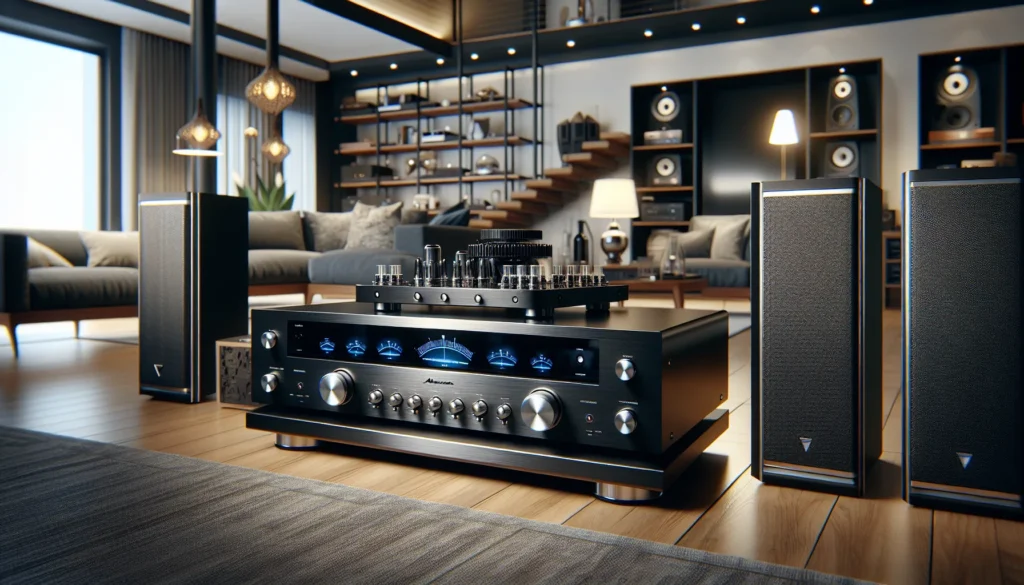
Picture this: You walk into a dimly lit room, and the soft blue glow of a McIntosh amplifier catches your eye. The glass faceplate reflects your anticipation. You press play, and the first notes fill the air—rich, warm, and alive. If you’ve ever wondered why audiophiles obsess over mcintosh audio equipment, this is the moment they chase. It’s not just about sound. It’s about feeling every note in your bones.
Why McIntosh Audio Equipment Stands Out
Let’s get straight to it. McIntosh audio equipment isn’t just another name in hi-fi. It’s a badge of honor for music lovers who want more than background noise. Founded in 1949 in Binghamton, New York, McIntosh has built a reputation for sound that’s both powerful and pure. Their signature blue meters and glass panels aren’t just for show—they’re a promise of quality.
Here’s the part nobody tells you: McIntosh gear isn’t for everyone. If you want cheap, disposable sound, look elsewhere. But if you crave music that feels like a live performance, you’re in the right place.
The Secret Sauce: What Makes McIntosh Audio Equipment Unique?
Let’s break it down. McIntosh audio equipment uses hand-assembled components, and every unit goes through rigorous testing. The company’s engineers obsess over details most people never notice. For example, their patented Unity Coupled Circuit output transformers help deliver clean power to your speakers, even at high volumes. That means you get thunderous bass and sparkling highs without distortion.
Another detail: McIntosh amps often weigh as much as a small child. That’s not a joke. The heft comes from massive transformers and solid construction, which help reduce vibration and noise. You can literally feel the difference when you pick one up.
Signature Features
- Blue Watt Meters: Not just eye candy. They show real-time power output, so you know exactly what your system is doing.
- Glass Faceplates: Scratch-resistant and timeless. They look as good in 20 years as they do today.
- Autoformers: These ensure your speakers get the right power, no matter their impedance. Translation: consistent sound quality.
- Handcrafted in the USA: Every piece of mcintosh audio equipment is built in Binghamton, New York.
Who Should (and Shouldn’t) Buy McIntosh Audio Equipment?
If you’re the type who streams music from your phone’s speaker and calls it a day, mcintosh audio equipment probably isn’t for you. But if you’ve ever spent hours rearranging your living room for better acoustics, or if you still remember the first album that gave you goosebumps, you’ll appreciate what McIntosh offers.
Here’s a quick gut check:
- You want music to sound as close to live as possible
- You’re willing to invest in quality that lasts decades
- You care about design as much as performance
If you nodded along, keep reading. If not, you might be happier with a Bluetooth speaker and a playlist.
Real Stories: The McIntosh Effect
Let’s get personal. I once visited a friend who’d just set up his first McIntosh system. He played Pink Floyd’s “Wish You Were Here.” The room fell silent. Every guitar strum shimmered. The vocals felt like they were in the room with us. My friend, who’d spent years upgrading his setup, finally stopped tinkering. “This is it,” he said. “I’m done chasing.”
That’s the magic of mcintosh audio equipment. It turns listening into an experience. You stop thinking about gear and start losing yourself in the music.
Common Mistakes When Buying McIntosh Audio Equipment
Here’s where people trip up. They think buying mcintosh audio equipment will fix a bad room or cheap speakers. It won’t. The best amp in the world can’t make up for poor acoustics or mismatched components. Before you invest, make sure your speakers and room are up to the task.
Another mistake: ignoring maintenance. McIntosh gear is built to last, but it still needs care. Dust it regularly, keep it cool, and don’t stack heavy objects on top. Treat it like the heirloom it is.
How to Get the Most Out of Your McIntosh Audio Equipment
Ready to take the plunge? Here’s how to make the most of your investment:
- Pair with Quality Speakers: McIntosh amps deserve speakers that can keep up. Look for brands like Bowers & Wilkins, Sonus Faber, or Klipsch.
- Mind Your Source: Garbage in, garbage out. Use high-resolution files or vinyl for the best results.
- Room Setup Matters: Place your speakers away from walls, use rugs to reduce echo, and experiment with placement.
- Regular Maintenance: Clean connections, check cables, and keep your gear dust-free.
Here’s why this matters: Even the best mcintosh audio equipment can’t shine if the rest of your system holds it back. Think of it as a team effort.
What Sets McIntosh Apart from the Competition?
Let’s be honest. There are plenty of high-end audio brands out there. So why do people stick with mcintosh audio equipment? Part of it is the sound—warm, detailed, and never fatiguing. But there’s also a sense of community. McIntosh owners swap stories, share tips, and even pass down gear to their kids. It’s not just a purchase. It’s a legacy.
And here’s a little secret: McIntosh gear holds its value. Vintage models from the 1960s still fetch high prices. That’s rare in a world where most electronics become obsolete in a few years.
Is McIntosh Audio Equipment Worth the Price?
Let’s talk numbers. A new McIntosh integrated amplifier can cost anywhere from $5,000 to $15,000. That’s a serious investment. But consider this: Many owners keep their gear for decades. Some even say their McIntosh amps outlast their marriages. If you want something that delivers joy every time you press play, it’s hard to put a price on that.
If you’re on the fence, try listening to a McIntosh system in person. Bring your favorite album. Close your eyes. If you don’t feel something, walk away. But if you do, you’ll understand why people become lifelong fans.
Final Thoughts: The McIntosh Experience
McIntosh audio equipment isn’t just about specs or status. It’s about connection—to music, to memories, to the people you share it with. If you’re ready to stop chasing upgrades and start enjoying your music, McIntosh might be your last stop. And if you ever get the chance to hear one, don’t pass it up. You might just find yourself falling in love with music all over again.