
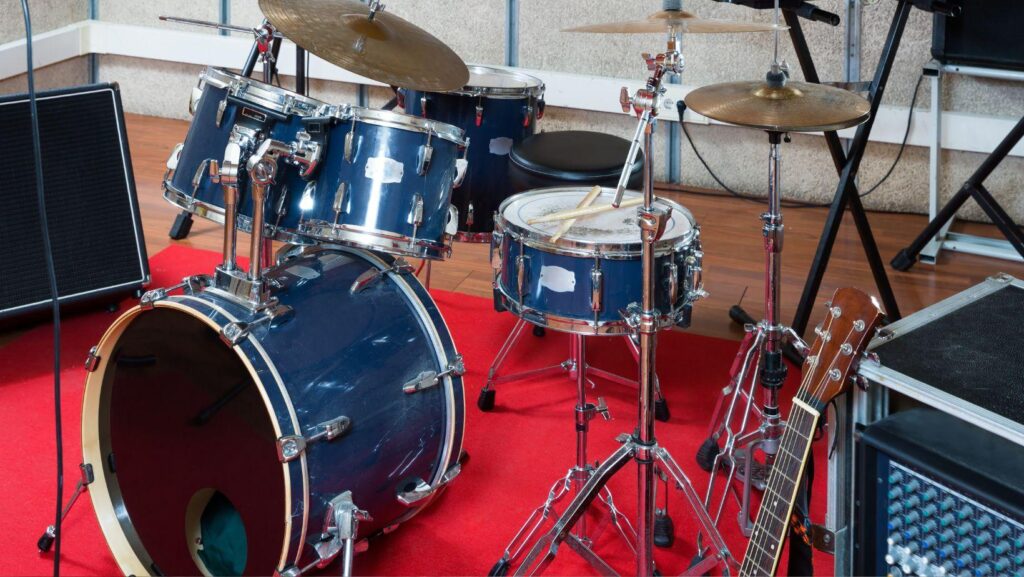
Once a band, promoter, or festival decides to backline instead of hauling a full equipment setup from city to city, the next question is where to actually find gear that’s reliable, matches the rider, and shows up on time. Not every backline provider operates at the same level, and picking the wrong one can turn a simple logistics decision into a stressful one right before doors open.
Here’s what actually matters when looking for a backline provider, whether it’s for a single show, a festival, or a full tour route.
Start With What You Actually Need
Before reaching out to anyone, it helps to know exactly what gear is required. This usually comes down to the technical rider, which should spell out amp models, drum kit specs, cabinet configurations, and any other backline needs for the performance.
Riders can vary a lot in how specific they get. Some list exact amp models and won’t accept substitutions. Others are more flexible and just specify wattage or a general style of amp. Knowing where a rider falls on that spectrum makes it a lot easier to evaluate whether a given provider can actually deliver what’s needed, instead of finding out the gap exists on load in day.
Ask About Equipment Quality and Maintenance
Not all backline gear is created equal. A provider might technically have the amps and kits listed on a rider, but if that equipment hasn’t been properly maintained, it’s not going to hold up through a full set, let alone a full day of festival programming.
Worth asking directly:
A provider that can answer these clearly, with specifics, is generally a safer bet than one that gives vague reassurances.
Check Their Familiarity With the Venue or Region
A backline provider that regularly works in a specific city, venue, or festival circuit tends to move faster and run into fewer surprises than one coming in from somewhere unfamiliar. They already know the load in logistics, the stage dimensions, power availability, and the quirks of a specific venue that can trip up someone working there for the first time. In a place like Colorado, where the weather can change in an instant, you need a Denver backline service that is familiar with these conditions and knows how to handle them.
For touring acts booking backline in multiple cities, it’s worth asking whether a provider has worked at the specific venue before, or at least in that market regularly. Local experience tends to translate directly into fewer problems on show day.
Look Into Their Track Record With Similar Shows
A provider that mostly handles small acoustic sets isn’t necessarily the right fit for a high volume festival stage with a tight turnaround between six different acts. Scale and show type matter. It’s worth asking for examples of similar shows a provider has handled, whether that’s comparable genre, comparable production size, or comparable scheduling demands.
References are useful here too. A quick conversation with a promoter, tour manager, or venue that’s used a provider before can surface issues that wouldn’t come up in a sales conversation.
Get Clear on Pricing and What’s Included
Backline pricing can vary depending on what’s being provided, how long it’s needed, and whether setup and teardown labor is included. Some providers charge a flat rate that covers delivery, setup, and pickup. Others break those out separately, which can add up quickly if it’s not accounted for ahead of time.
Before committing, it’s worth getting a clear breakdown of:
Confirm Communication and Responsiveness Before Booking
How a provider communicates before a show is usually a pretty good indicator of how things will go on the day of. A provider that’s slow to respond, vague about details, or hard to pin down on specifics during the booking process isn’t likely to suddenly become more reliable once the show is underway.
Look for a provider that responds promptly, asks clarifying questions about the rider, and confirms details well ahead of the show date rather than scrambling the day before load in.
Plan Ahead, Especially for Festivals and Busy Seasons
Backline providers, especially good ones, get booked up quickly during peak touring and festival seasons. Waiting until the last minute to secure backline for a show narrows the options considerably and increases the odds of ending up with a provider that isn’t the best fit just because they happened to be available.
Booking backline as early as possible, ideally as soon as a show or festival date and lineup are confirmed, gives more room to compare providers and negotiate on both gear and pricing rather than settling for whoever can still fit the date in.
Trust Recommendations From People Who’ve Worked With Them
Word of mouth carries a lot of weight in the touring and live production world. Tour managers, sound engineers, and promoters who’ve worked with a provider before can offer a much clearer picture of reliability than a website or a sales pitch. If a provider comes recommended by multiple people who’ve actually worked with them on similar shows, that’s usually a strong signal.
The Bottom Line
Finding the right backline provider comes down to matching gear needs to a provider’s actual capabilities, checking their track record and maintenance standards, and getting clear on pricing before committing to anything. Doing this legwork ahead of time, rather than scrambling close to a show date, is what separates a smooth load in from a stressful one right when there’s no time left to fix it.