
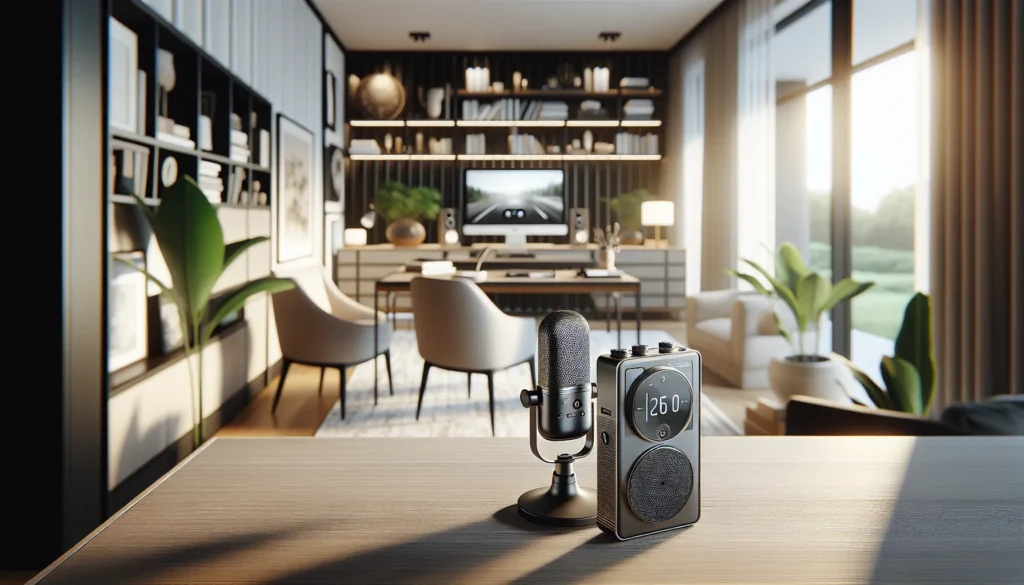
Picture this: It’s 2 a.m. You’re lying in bed, half-awake, convinced you heard a whisper in the hallway. Your heart pounds. Was it the wind, or something else? If you’ve ever wished you could know for sure, audio surveillance equipment might be the silent guardian you need. These devices don’t just record sound—they offer peace of mind, a sense of control, and sometimes, the proof you need when things go sideways.
What Is Audio Surveillance Equipment?
Audio surveillance equipment captures and records sound in a specific area. Think of it as a set of ears that never sleep. From tiny microphones hidden in clocks to advanced multi-channel recorders, these tools come in all shapes and sizes. Some are so small you’d miss them even if you knew where to look. Others blend into everyday objects, like smoke detectors or USB chargers.
But here’s the part nobody tells you: Not all audio surveillance equipment is created equal. Some record crystal-clear conversations from across the room. Others pick up more static than sound. The difference? It’s all in the details—microphone sensitivity, storage capacity, battery life, and, yes, legality.
Why People Use Audio Surveillance Equipment
If you’ve ever felt uneasy about what happens when you’re not around, you’re not alone. People use audio surveillance equipment for all sorts of reasons:
- Home security: Catching break-ins or vandalism, especially in garages or backyards where cameras can’t see.
- Workplace monitoring: Ensuring employee safety, preventing theft, or documenting harassment claims.
- Personal safety: Recording interactions during custody exchanges or tense meetings.
- Investigations: Private investigators and journalists rely on audio surveillance equipment to gather evidence.
But let’s be real: Audio surveillance equipment isn’t for everyone. If you’re looking for a quick fix or hoping to spy on neighbors for fun, this isn’t your tool. Laws are strict, and misuse can land you in hot water. Always check your local regulations before hitting “record.”
Types of Audio Surveillance Equipment
Let’s break it down. There’s a dizzying array of audio surveillance equipment out there, but most fall into a few main categories:
- Standalone recorders: Small, battery-powered devices you can hide almost anywhere. Some last for days on a single charge.
- Wireless transmitters: These send audio to a receiver in real time. Great for live monitoring, but they need to stay within range.
- Integrated devices: Think pens, clocks, or USB drives with built-in microphones. They blend in, so nobody suspects a thing.
- Multi-channel systems: Used in larger spaces, like offices or warehouses, to cover multiple areas at once.
Each type has its strengths. If you need to record a single conversation, a pen recorder might do the trick. For ongoing security, a multi-channel system offers more coverage. Here’s why that matters: The right tool makes all the difference between catching a crucial detail and missing it entirely.
What to Look for When Choosing Audio Surveillance Equipment
Shopping for audio surveillance equipment can feel overwhelming. Here’s what actually matters:
- Audio quality: Look for devices with high sensitivity and noise reduction. You want voices, not just muffled sounds.
- Battery life: Some recorders last hours, others last weeks. Match the battery to your needs.
- Storage: More storage means longer recording times. Some devices overwrite old files automatically, which can be a lifesaver.
- Discreet design: If you need to keep things low-key, choose equipment that blends in with its surroundings.
- Legal compliance: This is huge. Recording laws vary by state and country. Always get consent if required.
Here’s a mistake I made early on: I bought a recorder with a blinking LED. Guess what? It gave itself away the first night. Lesson learned—always test your equipment before using it in the field.
Real-World Stories: When Audio Surveillance Equipment Made the Difference
Let’s get specific. A friend of mine suspected someone was entering his office after hours. He set up a tiny audio recorder in a desk drawer. The next morning, he listened back and heard the unmistakable sound of keys and footsteps. That recording helped him confront the issue—and stop it for good.
Another example: A small business owner used audio surveillance equipment to monitor the back room after noticing missing inventory. The device caught a trusted employee pocketing merchandise. It was a tough moment, but it saved the business thousands in losses.
These stories aren’t rare. Audio surveillance equipment often provides the missing piece when cameras can’t capture the whole story. If you’ve ever felt powerless, these tools can help you reclaim control.
Legal and Ethical Considerations
This is the part most people skip, but it’s crucial. Recording conversations without consent can be illegal. In the U.S., some states require all parties to agree before you hit record. Others only need one person’s consent. The penalties for breaking these laws can be severe—think fines, lawsuits, even jail time.
Here’s what nobody tells you: Even if it’s legal, it might not be ethical. Ask yourself, “Would I be okay if someone recorded me in this situation?” If the answer is no, think twice. Use audio surveillance equipment responsibly, and always respect privacy.
Tips for Getting the Most from Your Audio Surveillance Equipment
Ready to get started? Here are some practical tips:
- Test your device in different environments—quiet rooms, noisy spaces, outdoors.
- Check battery and storage before every use. Nothing’s worse than missing the moment because your device died.
- Keep your equipment clean and dry. Dust and moisture can ruin sensitive microphones.
- Store recordings securely. Protect files with passwords or encryption if possible.
- Stay up to date on local laws. They change more often than you’d think.
If you’ve ever struggled with tech, don’t worry. Most modern audio surveillance equipment is plug-and-play. If you can use a smartphone, you can handle these devices.
Who Should—and Shouldn’t—Use Audio Surveillance Equipment?
Audio surveillance equipment isn’t for everyone. It’s a smart choice if you:
- Need to document conversations for legal or safety reasons
- Want extra security in places cameras can’t go
- Work in law enforcement, journalism, or private investigation
But skip it if you:
- Plan to use it for pranks or personal vendettas
- Don’t want to deal with legal risks
- Prefer visual evidence over audio
Here’s the truth: Audio surveillance equipment is a tool, not a magic solution. Used wisely, it can protect you, your loved ones, or your business. Used carelessly, it can cause more trouble than it’s worth.
Final Thoughts: The Silent Guardian
Audio surveillance equipment isn’t just about catching bad guys or proving a point. It’s about feeling safe, informed, and in control. If you’ve ever lost sleep over what you couldn’t hear, these devices offer a way to reclaim your peace of mind. Just remember—use them with care, respect the law, and always listen for what matters most.